

Types of Clothing Labels for Brands
Clothing labels are more than simple identifiers—they showcase your brand’s personality. The right label adds a sense of elegance and builds a connection with customers before they even try on the garment. Let’s explore the different types of labels to see which best fits your brand.
1. Clothing Labels: Identity at First Glance
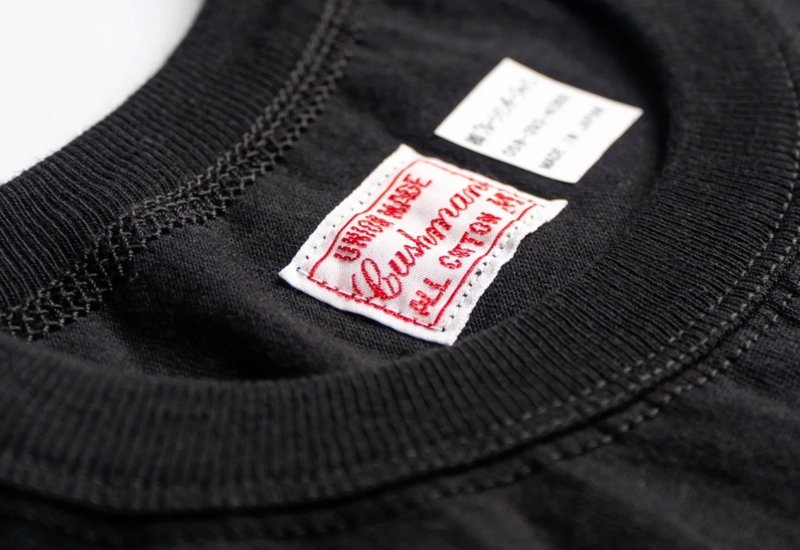
Labels are often the first point of physical contact customers have with your brand. They carry essential information—brand name, size, care instructions—but also communicate values and style.
Common uses of hang tags:
Woven Labels – Premium look, durable, ideal for high-quality garments.
Heat Transfer Labels – Seamless, soft feel, great for sportswear or activewear.
Pricing & Barcodes – Practical yet essential for retail and inventory systems.
Tips for choosing:
Match the label type to your brand style (luxury vs. casual).
Use colors and fonts consistent with your brand identity.
Ensure legibility and comfort—labels should look good and feel good.
2. Hang Tags: A Statement Beyond the Garment
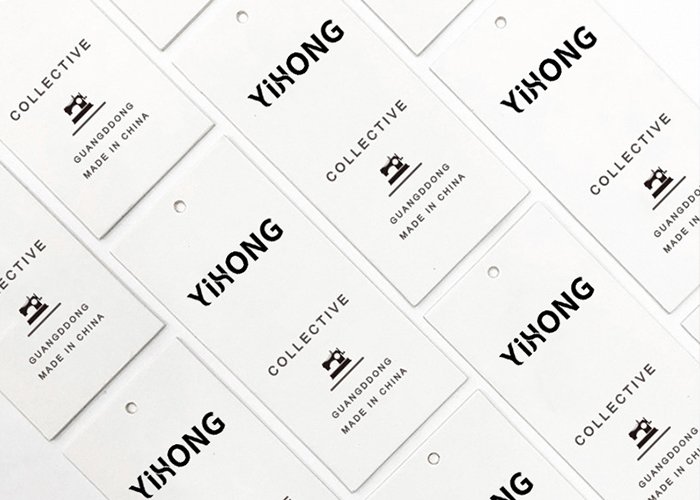
Hang tags are more than just price carriers—they act as mini billboards for your brand. Customers often interact with them before they even try on the garment, making hang tags a powerful first impression tool.
Common uses of hang tags:
Brand Storytelling – Share your brand’s values, vision, or a short message.
Product Details – Include fabric composition, care instructions, or sustainability notes.
Pricing & Barcodes – Practical yet essential for retail and inventory systems.
Tips for choosing:
Use quality cardstock or eco-friendly paper to align with brand values.
Keep the design clean, with consistent fonts and brand colors.
Consider special finishes (embossing, foil stamping, textured paper) to add a premium touch.
Make them multifunctional—such as doubling as discount coupons, QR code links to your website, or thank-you notes.
3. Heat Transfer Labels: Seamless & Comfortable
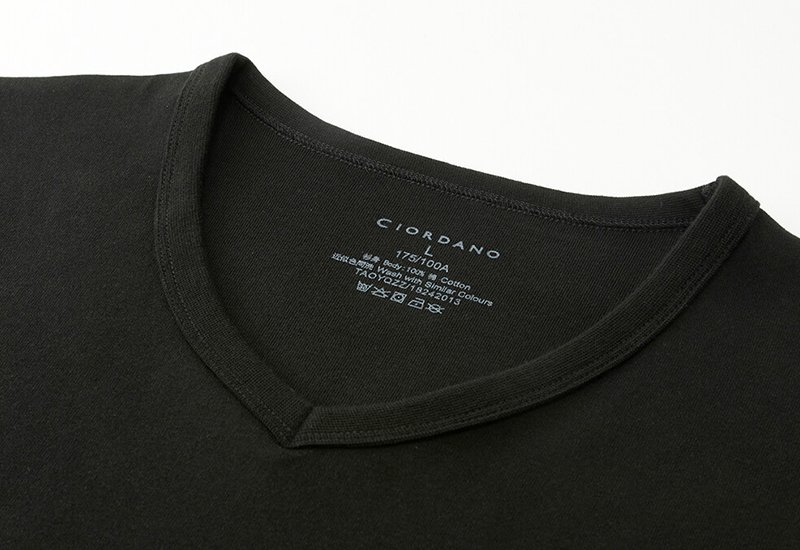
Heat transfer labels are a popular alternative to traditional woven or printed tags, especially for garments where comfort matters most. Applied directly onto the fabric with heat, they create a smooth, tagless finish that customers love.
Best uses for heat transfer labels:
Activewear & Sportswear – No irritation during movement.
Casual Basics – T-shirts, hoodies, and loungewear where comfort is key.
Kids’ Clothing – Gentle on sensitive skin.
Benefits:
Seamless Look – Blends directly into the fabric without bulk.
Comfortable Wear – No scratchy edges like traditional labels.
Customizable – Works well with logos, care instructions, or size info.
Durable – With proper application, withstands multiple washes.
Tips for choosing:
Ensure high-quality printing so designs remain clear after washing.
Match ink colors to your brand palette for consistency.
Test durability on sample fabrics before mass production.
Types of Stickers for Clothing Brands
Stickers add a playful yet professional touch to packaging. They’re not just decorative—customers often keep and reuse them, which extends your brand visibility beyond the purchase. From sealing tissue paper to acting as collectible freebies, the right stickers can elevate your brand experience.
1. Custom Stickers: Small Touch, Big Impact
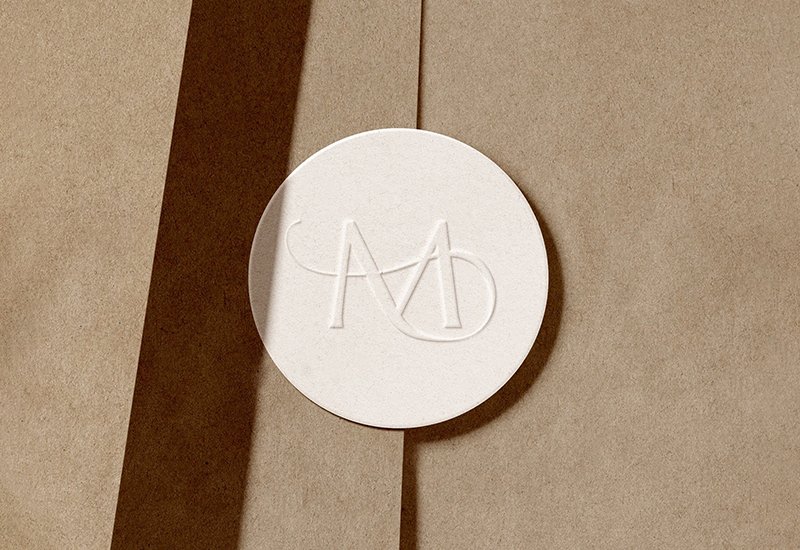
Custom stickers are a simple yet powerful way to enhance your packaging. Whether used to seal tissue paper, decorate boxes, or serve as freebies, they instantly add personality and branding to every order.
Material & finish options:
Glossy Stickers – Bright, eye-catching, and vibrant.
Matte Stickers – Smooth, elegant, and subtle.
Clear Stickers – Minimalist and modern, blending seamlessly onto surfaces.
Eco-Friendly Stickers – Made from recycled or biodegradable materials, perfect for sustainable brands.
Benefits of custom stickers:
Brand Recognition – A logo or slogan on a sticker reinforces your identity.
Versatility – Works across packaging, marketing, and giveaways.
Memorable Experience – Customers often keep and reuse them, extending your brand reach.
Tips for choosing:
Stick to bold, simple designs for easy recognition.
Ensure print quality so colors and details remain sharp.
Consider seasonal or limited-edition runs to create excitement.
2. Heat Transfer Labels: Seamless & Comfortable
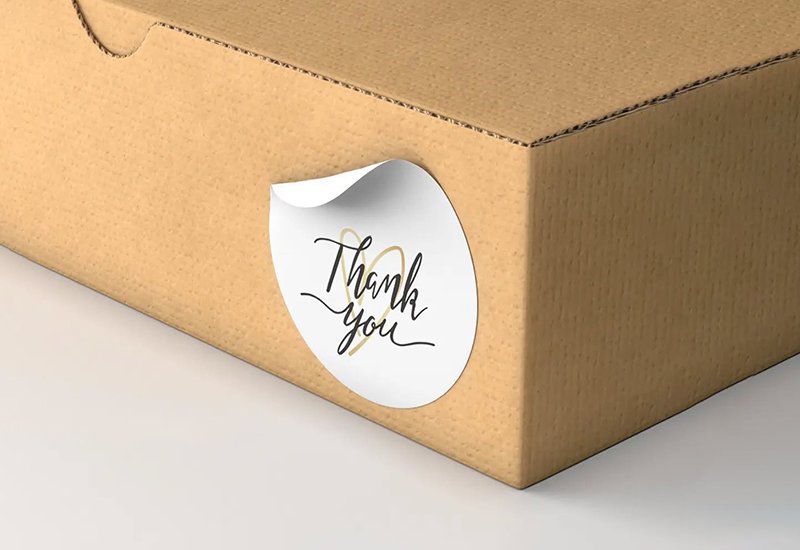
Thank you stickers are a simple yet effective way to show appreciation and connect with your customers. Placed on packaging, tissue paper, or envelopes, they add a thoughtful touch that makes every purchase feel special.
Benefits of thank you stickers:
Customer Connection – Express gratitude and foster loyalty.
Brand Personality – Can reflect a playful, elegant, or heartfelt tone depending on your design.
Marketing Boost – Customers often share packaging on social media, giving your brand extra visibility.
Tips for choosing:
Keep the message short, clear, and friendly.
Match fonts, colors, and style to your overall brand identity.
Experiment with finishes like matte, glossy, or foil stamping to enhance the premium feel.
Use them seasonally or for special promotions to surprise and delight customers.
3. Branded Sticky Tape: Functional Branding
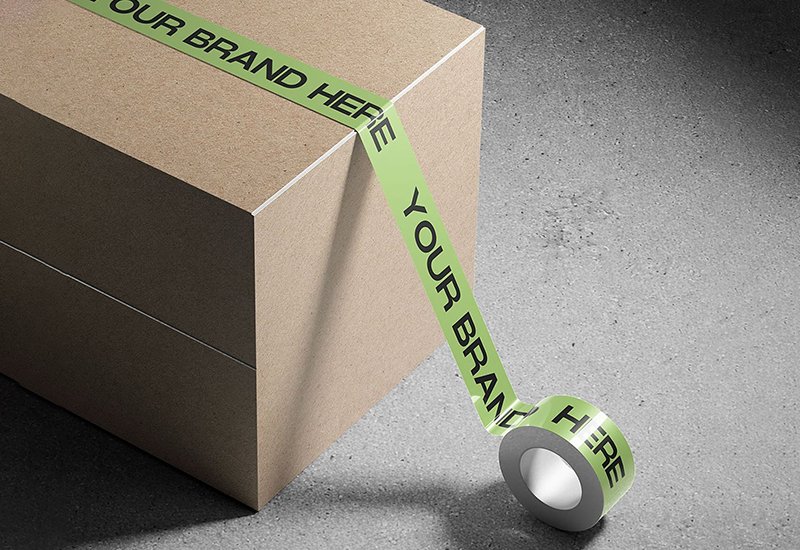
Branded sticky tape turns a practical packaging element into a marketing tool. Perfect for sealing boxes or parcels, it reinforces your brand identity while keeping shipments secure.
Benefits of branded sticky tape:
Professional Finish – Adds a polished look to every package.
Brand Visibility – Logos, slogans, or patterns on tape increase recognition even before customers open their order.
Versatility – Works on boxes, envelopes, and gift wraps of different sizes.
Tips for choosing:
Use high-quality adhesive tape that sticks well and doesn’t tear easily.
Keep designs simple and bold so your branding is immediately recognizable.
Match colors and style with your other packaging elements, such as labels and stickers.
Consider eco-friendly or recyclable tape options to align with sustainable branding.
Wrapping Options for Clothing Brands
Wrapping is more than just a protective layer—it’s the finishing touch that turns an order into an experience. The right wrapping elevates your packaging, builds excitement, and leaves customers with a sense of care and attention.
1. Printed Tissue Paper: Lightweight Elegance
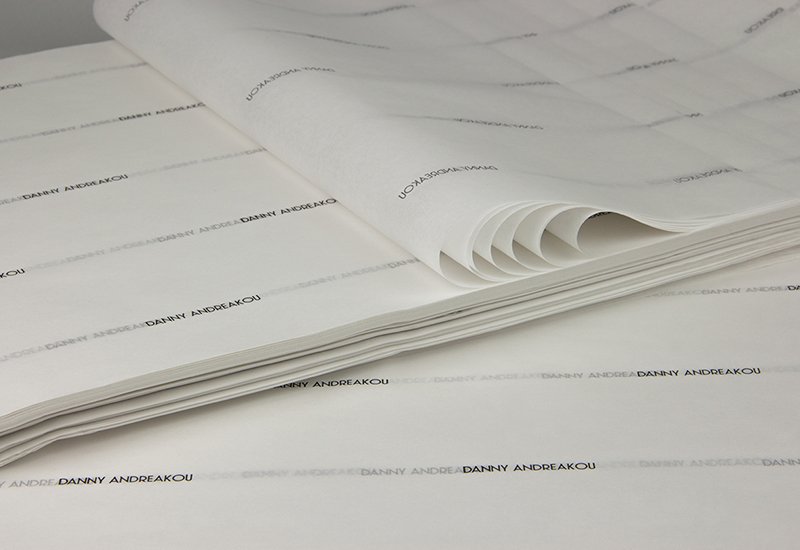
Printed tissue paper is one of the most popular wrapping choices for clothing brands. It’s lightweight yet elegant, and when customized with your logo, patterns, or brand colors, it instantly elevates the unboxing experience.
Benefits of printed tissue paper:
Customizable – Showcase your logo, patterns, or seasonal designs.
Affordable Luxury – Creates a premium look without high costs.
Protective – Adds a soft layer of protection for garments during shipping.
Eco-Friendly Options – Available in recycled or biodegradable materials.
Tips for using printed tissue paper:
Keep designs subtle and consistent with your brand identity.
Use stickers or branded tape to secure the tissue neatly.
Consider seasonal prints (e.g., holiday themes) to make packaging feel special.
2. Wrapping Paper: Classic & Versatile
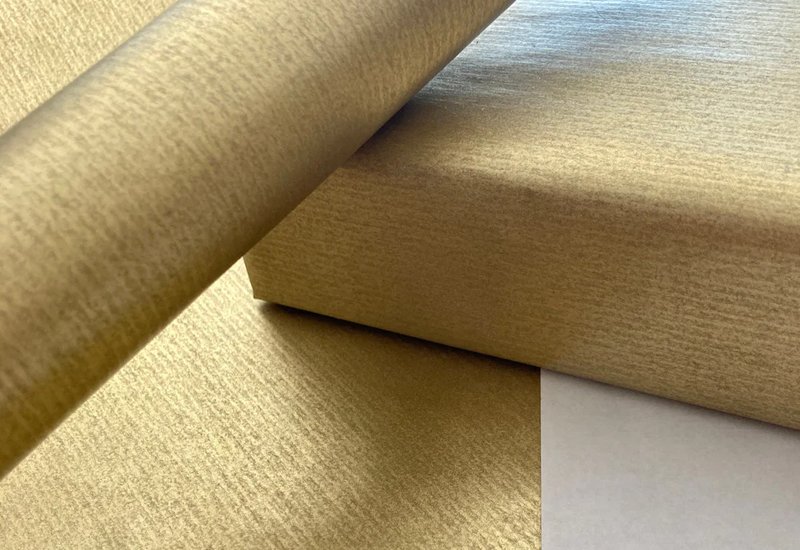
Wrapping paper gives clothing packaging a polished, gift-like feel. It’s thicker than tissue paper, making it sturdier and more protective, while also offering plenty of room for creative designs.
Benefits of wrapping paper:
Premium Presentation – Creates a “gift-ready” look that delights customers.
Design Flexibility – Can feature logos, patterns, illustrations, or seasonal artwork.
Durability – Provides better protection for garments compared to tissue paper.
Customizable Finishes – Matte, glossy, embossed, or foil-stamped for added flair.
Tips for using wrapping paper:
Choose thickness wisely—too thin may tear easily, too thick can be hard to fold.
Coordinate designs with your brand’s color palette and other packaging elements.
Use branded stickers or ribbon to seal and enhance the presentation.
Consider recyclable or biodegradable paper to meet eco-conscious expectations.
3. Wax Paper: Protective & Practical
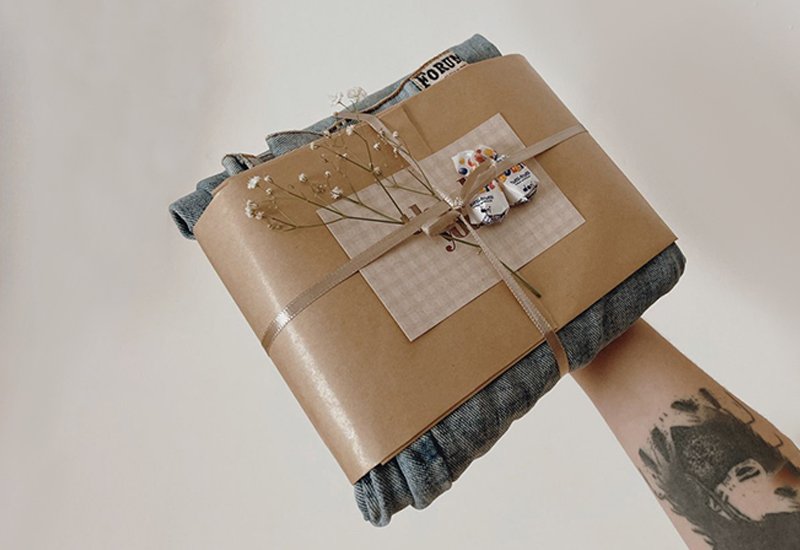
Wax paper is a functional wrapping option that combines protection with style. With its light coating, it resists moisture and grease, making it ideal for safeguarding garments during shipping while still looking polished.
Benefits of wax paper:
Moisture-Resistant – Keeps clothing safe from humidity or accidental spills.
Durable Yet Lightweight – Provides a sturdier layer than tissue paper without adding bulk.
Customizable – Can be printed with logos, patterns, or subtle branding.
Affordable – Cost-effective choice for large-scale packaging needs.
Tips for using wax paper:
Pair with branded stickers or tape to secure wrapping neatly.
Use minimal, elegant designs so the translucent finish remains stylish.
Consider eco-friendly, biodegradable wax-coated options for sustainability.
Ideal for casual, everyday clothing brands that value both function and presentation.
Additional Wrapping and Packaging Accessories
Little details often make the biggest impact. Beyond labels, stickers, and wrapping, these small additions can add personality and transform simple packaging into something unforgettable. They show extra thought and care, helping your brand stand out in a competitive market.
1. Ribbons: Elegant Finishing Touch
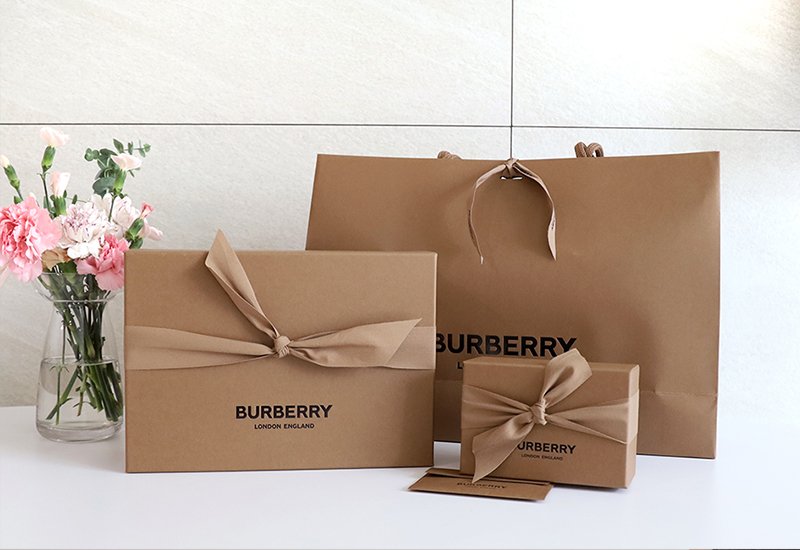
Ribbons instantly elevate packaging, transforming a simple parcel into a gift-like experience. They add charm, elegance, and a sense of occasion that customers remember.
Benefits of ribbons:
Premium Feel – Creates a polished, high-end presentation.
Customizable – Available in satin, grosgrain, cotton, or eco-friendly materials.
Versatile – Works well for boxes, bags, or tied around folded garments.
Branding Option – Can be printed with your logo or brand colors for added recognition.
Tips for using ribbons:
Match ribbon colors and textures to your brand identity (luxury, playful, eco-conscious).
Use wider ribbons for dramatic impact and thinner ones for subtle elegance.
Combine with tissue paper, tags, or stickers for a layered, cohesive look.
Opt for biodegradable or fabric ribbons if sustainability is part of your brand values.
2. Clothing Package Fillers: Protection with Style

Fillers do more than just keep garments safe during shipping—they add texture, volume, and personality to your packaging. The right choice of filler can turn an ordinary unboxing into a memorable brand experience.
Benefits of fillers:
Protective – Cushions garments and prevents movement during transit.
Aesthetic Appeal – Adds depth and creates a “surprise element” when unboxing.
Customizable – Available in different colors, textures, and eco-friendly options.
Types of fillers for clothing packaging:
Tissue Shreds – Lightweight, colorful, and fun.
Crinkle Paper – Textured, elegant, and eco-friendly.
Wood Wool – Rustic and sustainable, perfect for artisan or natural brands.
Biodegradable Packing Peanuts – Functional and eco-conscious for heavier packages.
Tips for using fillers:
Choose filler colors that complement your brand palette.
Avoid overfilling—customers appreciate beauty without unnecessary waste.
Opt for recyclable or biodegradable materials to align with sustainability values.
Use fillers strategically to highlight premium or gift-ready items.
3. Thank You Cards: Building Customer Connection
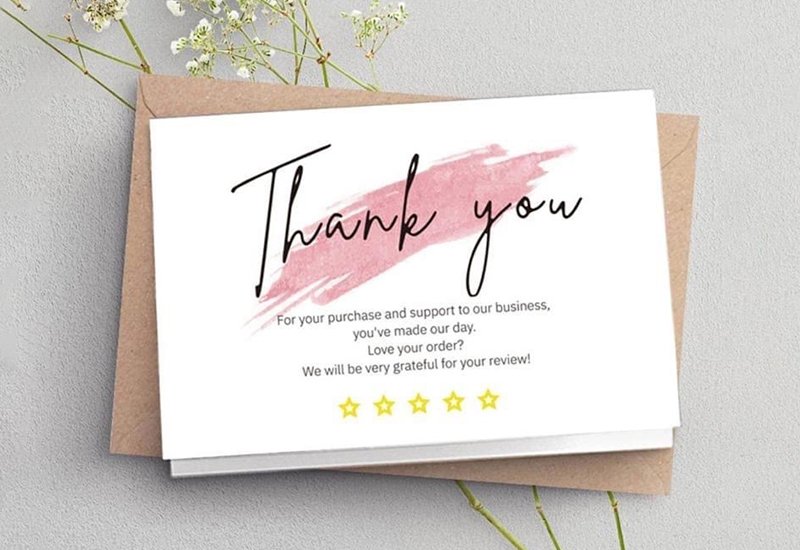
Thank you cards are a simple yet meaningful way to strengthen your relationship with customers. By adding a personal note of appreciation, you show that every purchase matters, turning a transaction into a positive emotional experience.
Benefits of thank you cards:
Customer Appreciation – Expresses gratitude and makes customers feel valued.
Brand Personality – Offers space to share your tone—warm, elegant, playful, or eco-conscious.
Marketing Opportunity – Can include discount codes, QR links, or social media handles.
Memorability – A handwritten touch or unique design makes the unboxing experience stand out.
Tips for using thank you cards:
Keep messages short, genuine, and aligned with your brand’s voice.
Use high-quality or eco-friendly cardstock that feels consistent with your packaging.
Consider seasonal variations (holiday notes, limited-edition designs).
Mix printed designs with a small handwritten element for a personal feel.
4. Wax Stamps: Vintage Charm with a Premium Touch
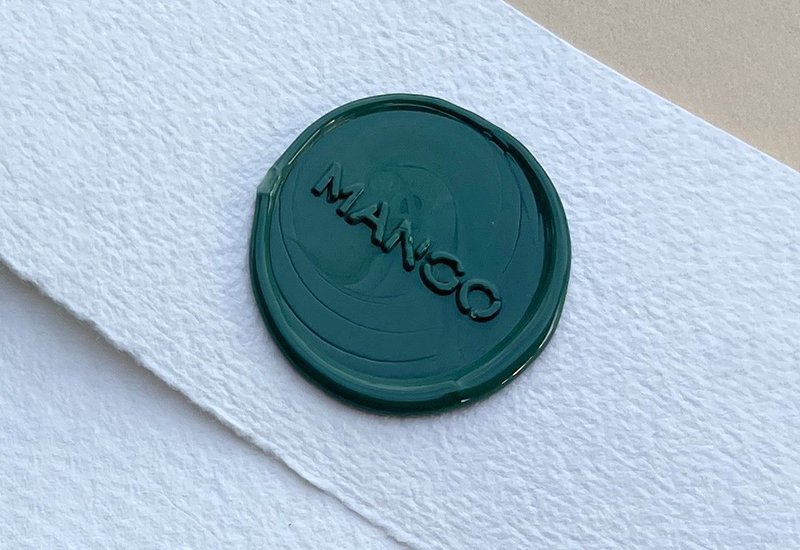
Wax stamps bring a sense of tradition and craftsmanship to packaging. Often used to seal envelopes, tissue wrapping, or ribbons, they give your brand a handcrafted, luxurious feel that customers instantly notice.
Benefits of wax stamps:
Distinctive Look – Adds a vintage, artisanal flair that sets your packaging apart.
Customizable – Stamps can feature your logo, initials, or unique patterns.
Premium Appeal – Creates a memorable unboxing moment that feels special.
Versatile Use – Works on paper wraps, thank-you cards, envelopes, or product tags.
Tips for using wax stamps:
Keep designs simple and bold for better visibility.
Choose wax colors that align with your brand palette.
Pair with textured paper or ribbons for an elevated finish.
Use sparingly—too many wax seals can look heavy; one well-placed stamp is often enough.
5. Ink Stamps: Handmade Character
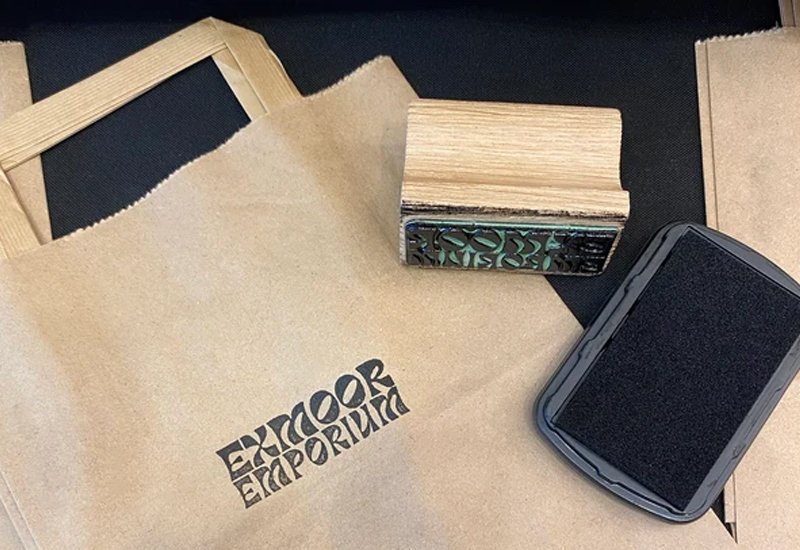
Ink stamps are a simple yet effective way to give your packaging a handcrafted, personal touch. They work on boxes, kraft paper, hang tags, and even wrapping tissue—making each package feel unique.
Benefits of ink stamps:
Cost-Effective – Reusable and budget-friendly for small or growing brands.
Customizable – Can feature logos, slogans, or creative icons.
Handmade Appeal – Adds authenticity and a personal, artisanal feel.
Versatile – Works on paper, cardboard, and some fabrics.
Tips for using ink stamps:
Choose high-quality, long-lasting ink pads for a clean finish.
Stick to simple, bold designs for best visibility.
Use consistent placement (e.g., top-right corner of every box) to reinforce brand identity.
Experiment with colored inks for seasonal or limited-edition packaging.
Materials and Customization Options
Every package tells a story, and the materials you choose set the tone from the very first glance. The right combination of texture, color, and finish not only protects your clothing but also builds an emotional connection with your customers.
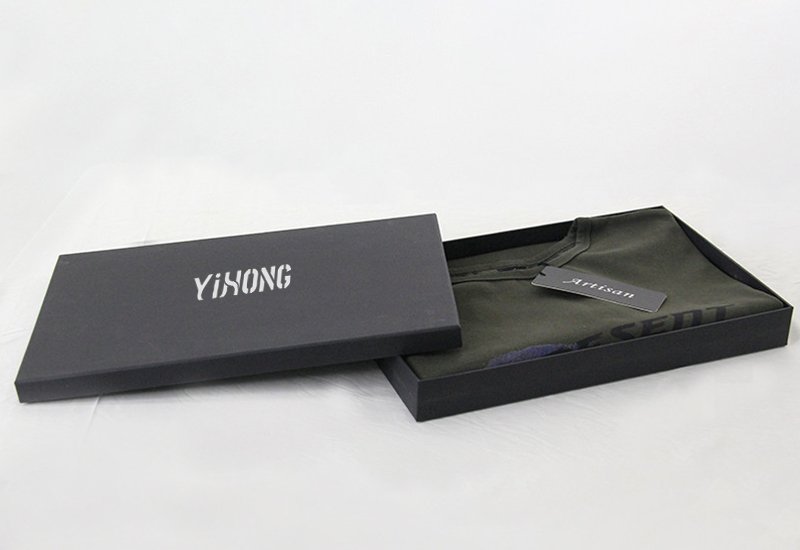
Common packaging materials:
Paperboard & Kraft Paper – Eco-friendly, versatile, and suitable for both minimalist and rustic branding.
Cardstock & Rigid Boxes – Durable, premium feel, ideal for luxury fashion brands.
Fabric Bags & Pouches – Reusable and sustainable, offering long-term value to customers.
Biodegradable & Recycled Options – Appeal to eco-conscious shoppers and strengthen sustainable brand identity.
Customization options:
Printing – Logos, patterns, or full-color artwork for brand storytelling.
Finishes – Matte, glossy, foil stamping, embossing, or spot UV for added texture and visual appeal.
Cut & Shape – Custom die-cuts, unique folds, or window displays to showcase garments creatively.
Color Palette – Consistent with your brand identity, ensuring recognition across all packaging elements.
Tips for choosing materials & customization:
Balance aesthetics with functionality—packaging should look great but also protect the product.
Keep sustainability in mind; customers increasingly value eco-friendly solutions.
Consider your audience: minimalist design for modern brands, ornate finishes for luxury labels, and playful prints for youth-oriented fashion.