

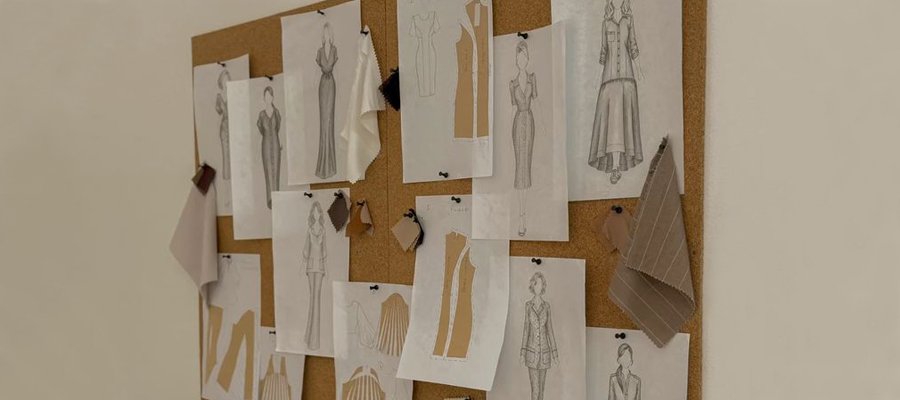
1. Define Your Fashion Niche
The first step in any custom clothing business is to clearly define your niche. This ensures you reach the right audience and stand out in a competitive market.
Identify your target customers: Are you serving streetwear enthusiasts, brides, sustainable fashion buyers, or customers looking for a bespoke clothing line?
Determine your unique selling points: This could be small batch clothing production, eco-friendly fabrics, inclusive sizing, or premium handcrafting.
Conduct market research: Analyze competitors, trends, and consumer preferences to validate your idea.
2. Build Your Brand Identity
Your brand identity communicates your values, style, and quality to customers, whether it’s an eco-friendly clothing brand, a custom clothing brand for women, or a general fashion startup.
Develop a cohesive visual identity: Logo, colors, typography, and packaging should align with your niche and audience.
Create a compelling brand story: Highlight why your clothing is unique, such as sustainable fashion production, made-to-order clothing, or small batch clothing production.
Plan your packaging: Include labels, tags, and branded wrapping that reinforce your story.
A strong brand identity helps your business stand out, attract loyal customers, and increase recognition in the crowded fashion market.
3. Find Reliable Clothing Manufacturers
Finding the right clothing manufacturers is one of the most critical steps for a custom clothing business. Reliable partners ensure quality, communication, and scalability.
Where to look: B2B platforms like Alibaba, Sewport, Maker’s Row, or trade shows such as MAGIC Las Vegas and Première Vision Paris.
Evaluate capabilities: Check certifications, request samples, and verify production capacity, especially if you plan small batch clothing production.
Start small: Place limited orders to test quality, communication, and delivery times—ideal for custom clothing brand for women or bespoke clothing line projects.
Negotiate terms: Discuss MOQs, pricing, lead times, and production flexibility to ensure smooth operations.
4. Create Your Custom Designs
Once you’ve identified a manufacturer, it’s time to bring your designs to life.
Prepare tech packs: Include fabric types, measurements, stitching, labels, and finishing details.
Produce prototypes: Make 1–3 sample garments to test fit, fabric, and quality, ideal for Women’s custom clothing brand or Small batch fashion production lines.
Collect feedback: Share samples with potential customers or influencers to refine your designs.
Detailed tech packs ensure your clothing manufacturers understand your requirements, reducing errors and improving efficiency.
5. Manage Production and Quality
Quality control is key to building a reputable custom clothing brand, whether it’s a Custom clothing brands or general apparel line.
Define production standards: Fabric quality, stitching, fit, and finishing details.
Monitor every batch: Request sample approval and regular updates from your manufacturer.
Plan logistics: Factor in shipping time, customs, and storage requirements.
6. Pricing, Branding, and Launch
After finalizing your products, it’s time to build your brand presence and go to market.
Set pricing: Consider material cost, labor, packaging, shipping, and desired profit margin.
Branding: Ensure packaging, labels, and promotional materials reflect your custom clothing brand and story.
Sales channels: Start with Shopify, WooCommerce, Etsy, or pop-up stores to test your products.
Marketing strategy: Use social media, influencer collaborations, content marketing, and email campaigns to generate interest.
7. Focus on Sustainable Growth
Modern consumers increasingly care about sustainability. Incorporating eco-friendly practices can strengthen your brand’s reputation.
Use organic or recycled fabrics.
Opt for eco-friendly packaging materials like kraft paper or biodegradable bags.
Maintain small batch clothing production to reduce waste.
Collect customer feedback and track sales to improve your offerings.
An eco-friendly clothing brand with quality, sustainable practices can attract loyal customers and thrive in the competitive European and North American markets.
8. Conclusion
tarting a custom clothing business is challenging but rewarding. From defining your niche to partnering with reliable clothing manufacturers, producing high-quality garments, and marketing effectively, each step is essential.
Whether you are launching a Custom clothing brands, focusing on Small batch fashion production, or creating private label clothing, following these steps ensures your brand is positioned for long-term success.
Focus on quality, stay consistent, and tell your story through every stitch. Your fashion startup can grow into a distinctive and recognizable brand in the global market.