
1. What Does “Branding Your Own Clothing” Mean?
Branding your own clothing goes beyond placing a logo on a T-shirt. It means creating a fashion identity — from product quality and design to visual communication and customer experience.
There are three ways to create a clothing brand:
| Model | Explanation | Suitable For |
|---|---|---|
| Private Label | Use manufacturer’s product base + your branding | Fast-growing brands, boutiques |
| OEM | Manufacturer produces according to your design & tech pack | Professional fashion brands |
| ODM | Factory assists design & development | Startups without designer resources |
2. Research the Market & Define Your Niche
Successful fashion brands always start with research — because fashion is emotional, but business is strategic.
Steps
Study target audience lifestyle & purchasing behavior
Research competitors (Zara, boutique brands, sustainable labels, etc.)
Analyze trends via Pinterest / Instagram / Tiktok / Google Trends
Decide brand direction (Minimalist / Luxury / Street / Modest / Sustainable)
Popular niches to consider:
Yoga & athleisure wear
Resort & summer linen wear
Modest abaya & kaftan brands
Sustainable natural fabric fashion
Women’s fashion boutiques
Luxury embroidered occasion wear

3. Build Your Clothing Brand Identity
Brand identity is how customers recognize and feel your brand.
Elements you must define
Brand story & mission
Brand name & tone
Logo & brand color palette
Font & visual language
Customer values & lifestyle positioning
💡 Tip: Never choose a random name — choose one that communicates vision and emotion.
4. Define Products & Fabric Selection
Your product defines your brand. Start focused — then expand later.
Define Product Categories
Dresses / Abaya / Modest wear
Hoodies / Sweatshirts
Activewear & yoga sets
Linen casual dresses
Corporate uniforms / Workwear
Choose fabrics according to brand value
| Brand Style | Recommended Fabric |
|---|---|
| Sustainable | Linen / Organic cotton / Bamboo fiber |
| Streetwear | 280–350gsm cotton fleece / jersey |
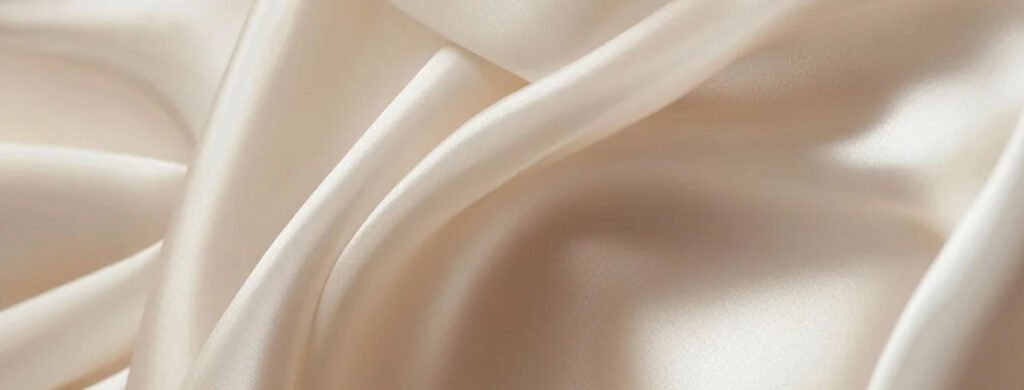
| Luxury modest | Silk satin / Chiffon / Organza |
| Sportswear | Nylon-spandex / Polyester-spandex |
| Casual boutique | Viscose / Rayon / Tencel |
5. Find a Reliable Clothing Manufacturer
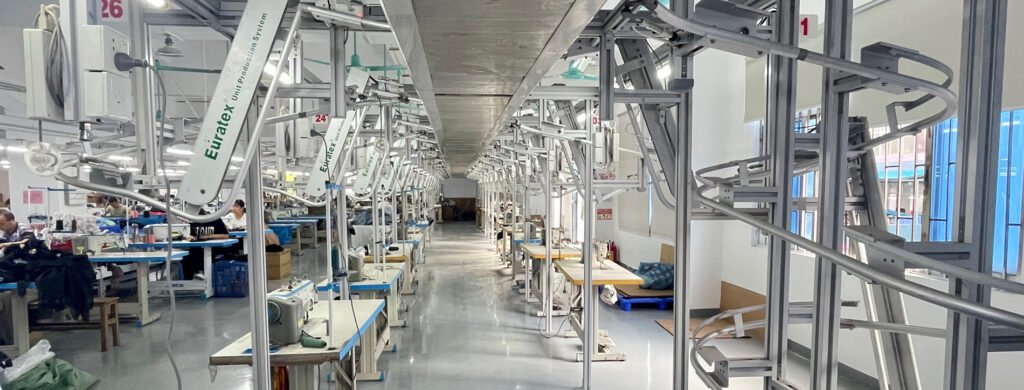
Choosing the right factory affects quality, cost, delivery, and brand growth.
Define Product Categories
Experience with private label clients
Fabric sourcing support
In-house sampling & pattern making
Low MOQ availability (50–300pcs per color)
Finishing & quality control standards
Label & packaging customization
Why Many New Brands Choose OEM/Private Label
Faster launch
Guaranteed factory fit & quality
Saved time on pattern development
Lower startup risk
We support low MOQ, custom fabric, logo labels, packaging, and full apparel line development — ideal for new brands.
6. Create Your Brand Elements
Branding must appear on every detail.
Custom branding options
Woven label
Care label
Printed neck label
Swing tag
Custom packaging (bags, boxes, tissue paper)
Logo embroidery / screen printing / DTG printing
7. Costing & Pricing Strategy
Your pricing must cover:
Fabric & trims
Sampling cost
Production cost
Label & packaging
Logistics & duty
Marketing
Common Pricing Formula:
Retail price = Production cost × 2.5–4
Boutique & private label fashion often follow 3× markup.
8. Build Your Online Store & Brand Presence
Platforms
Shopify (best for fashion)
WordPress / Elementor + WooCommerce
Social commerce (Instagram Shop, TikTok Shop)
Content that converts
High-quality model photography
Lifestyle videos & UGC
Size guide & fabric information
Lookbook page
9. Launch & Promote Your Clothing Brand
Platforms
Influencer & micro-KOL cooperate
Instagram Reels / TikTok short video
Email campaigns
Pinterest lookbook pins
Press kit / Fashion bloggers outreach
10.Conclusion
Branding your own clothing requires strategy, creativity, and reliable manufacturing. Now you understand each step — from niche positioning to production and marketing.
- Ready to develop your private label clothing line?
- We support low MOQ, custom labeling, design development & global shipping.
- 📩 Contact us to start your sample order.
FAQ — Frequently Asked Questions About Branding Your Own Clothing
How do I start branding my own clothing line?
To brand your own clothing line, you need to:
Define your niche and target audience
Create your brand identity (name, logo, brand story)
Choose your product categories and fabric
Find a reliable private label or OEM clothing manufacturer
Create samples and finalize quality
Produce your first batch and launch online
What is the difference between private label and OEM?
| Private Label | OEM |
|---|---|
| Factory already has base styles | You provide design or tech pack |
| Fastest to launch | More customization options |
| Lower development cost | Higher development time and cost |
| Best for beginners | Best for professional fashion designers |
How much does it cost to start a clothing brand?
Most startup fashion brands begin with $500–$5,000 depending on:
Sample cost
Fabric type
Label & packaging customization
Production quantity
Photography & marketing
Small batches + private label help reduce cost.
Do I need a designer to start my clothing brand?
No. You can:
✅ Use private label styles
✅ Work with a factory that offers ODM design support
✅ Provide inspiration images for customization
For full original designer collections, tech packs are recommended.
What is the minimum order quantity (MOQ)?
MOQ varies by factory.
Many suppliers require 300–1000 pcs per style, but we support:
👉 Low MOQ: 50–300 pcs per style/color
Ideal for boutique brands & new clothing startups.
How long does clothing production take?
Typical timeline:
Sampling: 7–14 days
Bulk production: 15–35 days
Shipping: 3–20 days depending on country and method
Plan at least 4–10 weeks from sampling to delivery.
Can I add my own labels and packaging?
Yes. You can customize:
Woven labels
Neck tags / printed labels
Care labels
Swing tags
Custom packaging bags & boxes
Brand details make your product look premium.
What fabric is best for a new clothing brand?
It depends on your niche:
| Style | Recommended fabric |
|---|---|
| Streetwear | 280–350gsm cotton fleece, Jersey |
| Luxury | Silk satin, Organza, Chiffon |
| Sustainable | Linen, Tencel, Organic cotton |
| Activewear | Nylon–Spandex, Poly–Spandex |
Choosing the right fabric builds your brand identity.
Can I test samples before bulk production?
Absolutely — and you should.
Sampling lets you review:
Fit
Fabric quality
Stitching & finishing
Label & print placement
Never skip samples — it protects your brand.
How do I market my clothing brand?
Best marketing strategies for new fashion brands:
TikTok / Instagram Reels
Micro-influencer collaborations
High-quality lookbook & lifestyle photography
Email marketing
Pinterest pins & blog content for SEO
Storytelling + real people wearing your brand = strongest conversion.
Do I need a website to sell my clothing brand?
Not at the beginning — but recommended.
Start with:
Instagram / TikTok shop
Etsy or Shopify Starter plan
Then upgrade to:
✅ Shopify
✅ WooCommerce + Elementor
A website builds trust & long-term brand value.
Does your factory support small brands?
Yes, we specialize in supporting:
Startup fashion labels
Private label boutiques
Sustainable & ethical brands
Designers building capsule collections
We offer low MOQ, label custom, and design assistance.
📩 Contact us to start your sample order.